

Introduction: The Flaws of Focusing Solely on AHT
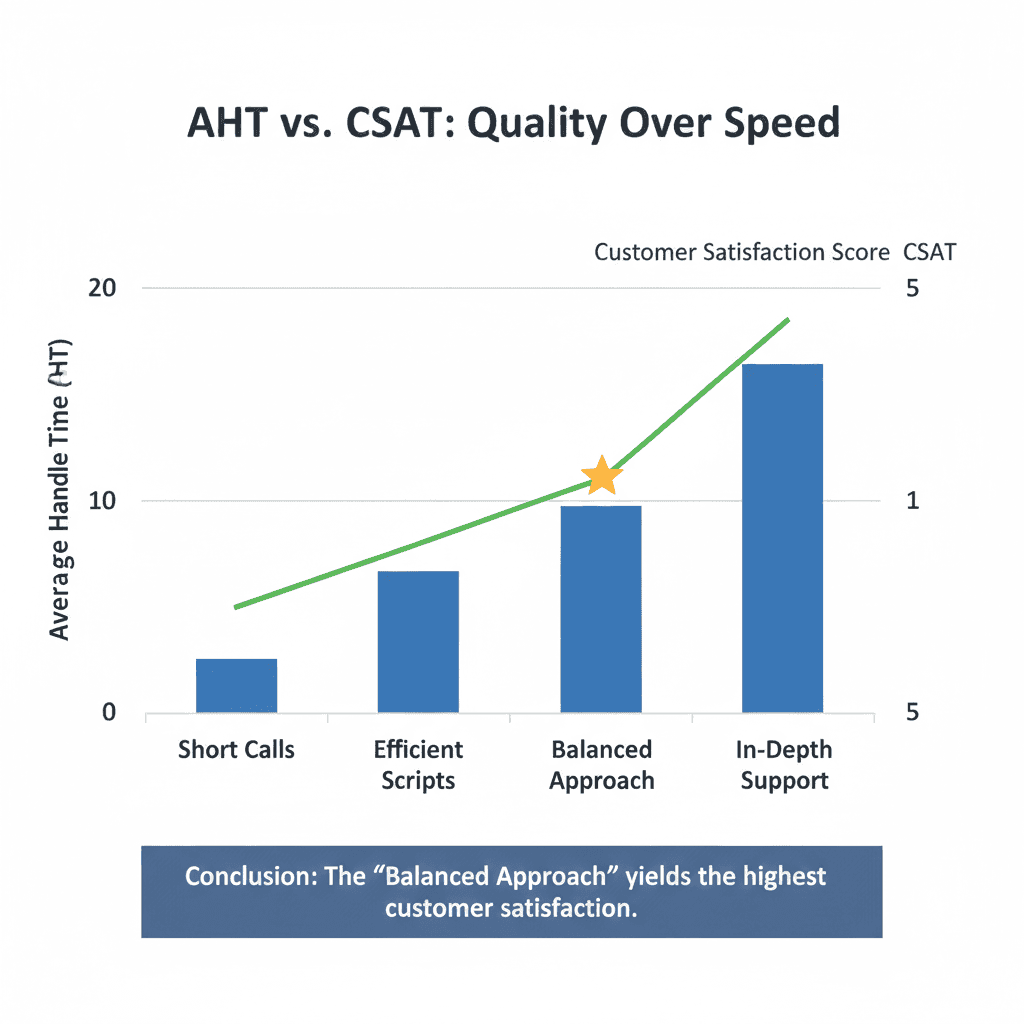
For decades, Average Handle Time (AHT) has been the cornerstone of call center metric analysis. While crucial for forecasting and staffing, AHT alone is a poor measure of efficiency. Obsessing over speed often leads to rushed calls, unhappy customers, and, ironically, increased repeat calls. True efficiency is measured by an agent’s ability to solve problems thoroughly, quickly, and pleasantly.
To properly evaluate agent performance and deliver exceptional customer support, call centers must integrate these five advanced metrics into their quality assurance (QA) scorecards.
Metric 1: Customer Satisfaction Score (CSAT)
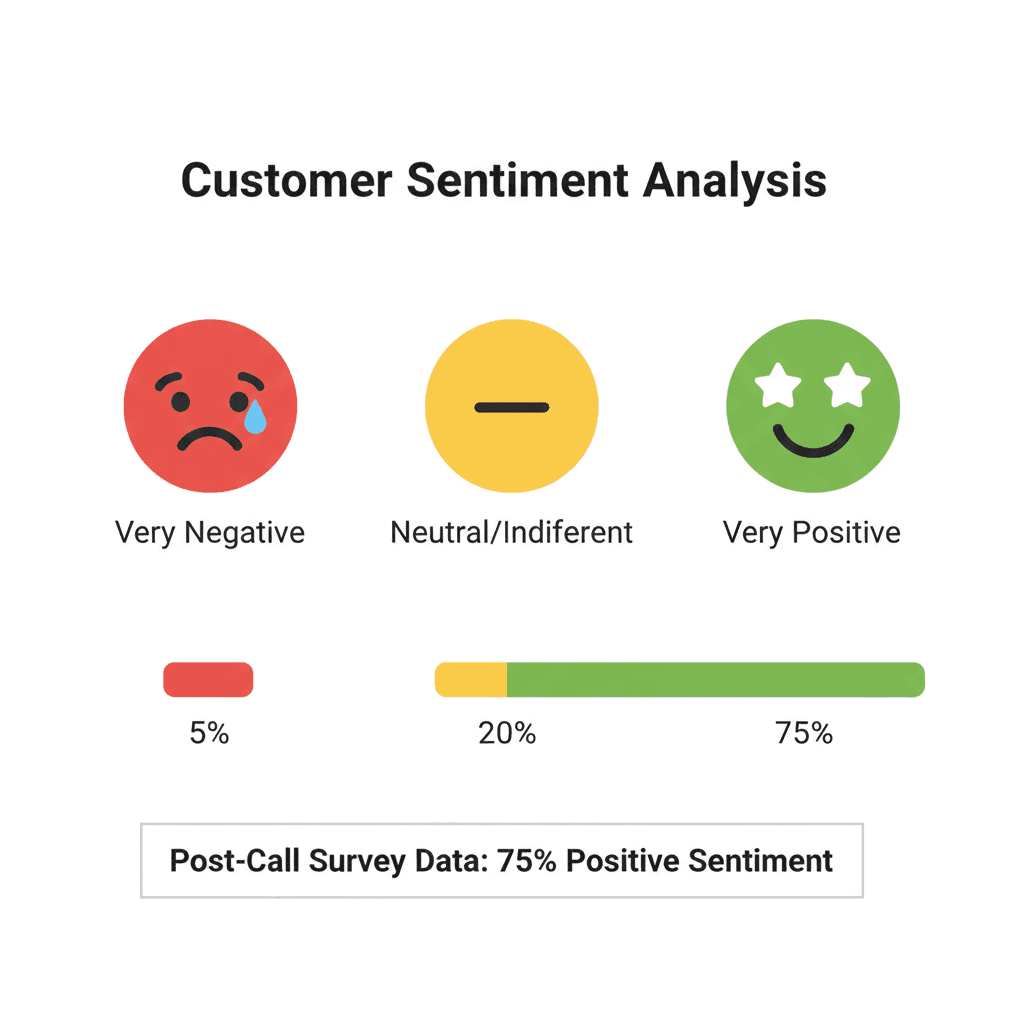
CSAT is a simple, direct measure of customer happiness with a specific interaction. It is usually based on a 1-5 or 1-10 rating scale immediately following the call.
- Why it Matters: A fast call (low AHT) that leaves the customer feeling unresolved or frustrated is inefficient. High CSAT scores directly reflect an agent’s ability to communicate clearly and resolve the issue with empathy.
Metric 2: First Contact Resolution (FCR)
FCR measures the percentage of customer issues resolved on the very first interaction, without the customer needing to call or message back.
- Why it Matters: High FCR is the ultimate indicator of true efficiency. It reduces operational load (fewer repeat calls), boosts agent confidence, and is the single strongest driver of customer loyalty in the contact center.
Metric 3: Customer Effort Score (CES)
CES measures how much effort a customer had to expend to get their issue resolved (e.g., “How easy was it to resolve your issue?”).
- Why it Matters: If an agent solves a problem but makes the customer jump through hoops—being transferred multiple times, repeating information, or dealing with bureaucracy—the experience is poor. A low CES indicates a streamlined, efficient, and well-managed interaction flow.
Quote: “Customers don’t care how fast you talk; they care about how fast you solve their problem and how easy you make the journey.”
Metric 4: Quality Assurance (QA) Score
The QA score is the result of internal monitoring, where supervisors or automated tools evaluate calls against a predefined scorecard (e.g., did the agent follow compliance procedures? Did they verify the customer correctly? Was the tone professional?).
- Why it Matters: This metric ensures consistency, mitigates compliance risk, and confirms the agent is adhering to best practices, which prevents future problems and protects the brand.
Metric 5: Agent Utilization Rate
This metric measures the time agents spend actively working (handling calls, doing after-call work, waiting for calls) versus time spent idle or on breaks.
- Why it Matters: While less about the customer experience, high utilization (balanced appropriately with breaks) indicates strong schedule adherence and efficient use of paid hours, which is critical for operational budget control. It ensures agents are engaged when they need to be.
Conclusion: Shifting the Focus to Value
True call center efficiency is a holistic measure combining speed, quality, and customer experience. By shifting focus from the time spent on the call (AHT) to the outcome of the call (FCR, CSAT, CES), organizations empower agents to deliver greater value. This balanced scorecard approach leads to lower costs from reduced repeat interactions and higher revenue from more loyal, satisfied customers.







Leave a comment