

Reclaiming Lost Visitors
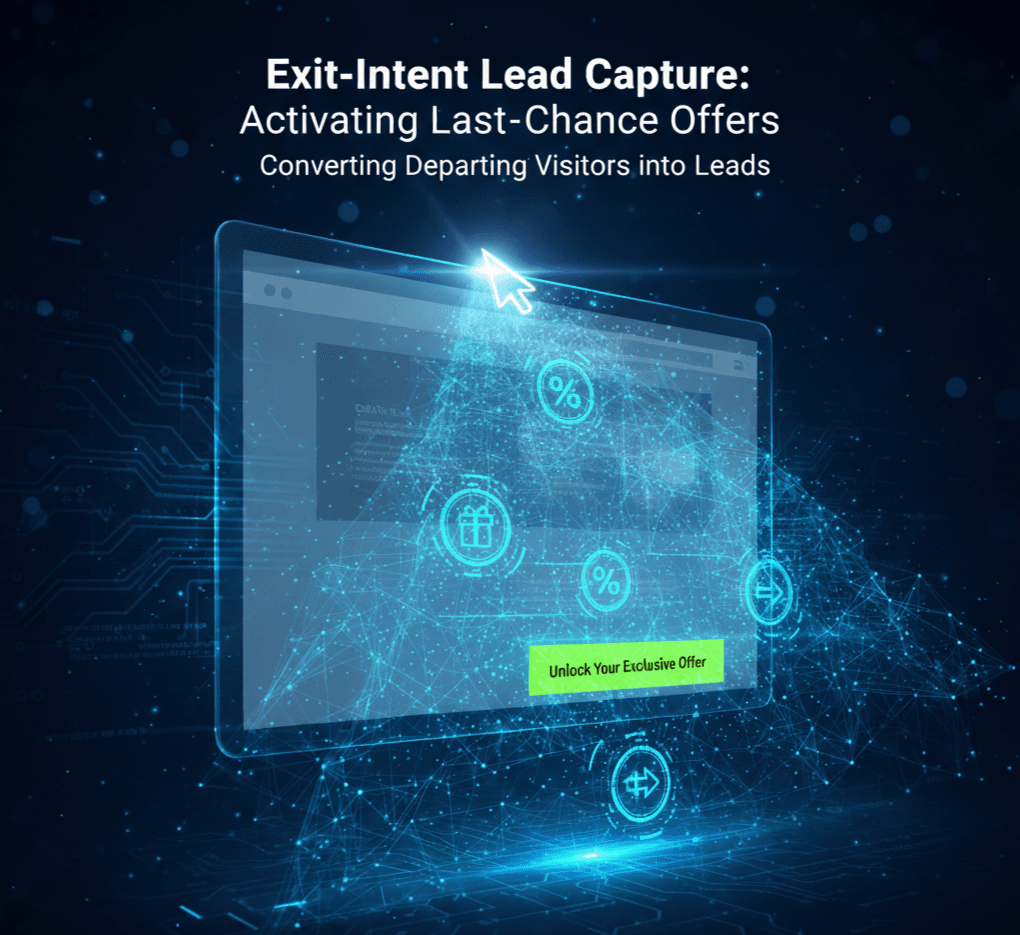
Exit-intent technology tracks a visitor’s mouse movements and triggers a popup overlay just as they are about to leave the website (by moving the cursor toward the browser’s close button or address bar). While often seen as intrusive, when deployed ethically and strategically, the exit-intent popup is a powerful last-ditch tool for lead capture, capable of significantly boosting email subscription rates and preventing valuable traffic loss. The key to ethical implementation lies in providing undeniable, targeted value at the precise moment of abandonment.
The Psychology of Exit-Intent
The power of the exit-intent popup is rooted in addressing a final, unfulfilled need:
- The Hesitator: The visitor was interested but wasn’t quite ready to commit. The popup offers a lower-friction way to stay connected (e.g., an email subscription vs. a demo request).
- The Abandoner: The visitor found the content valuable but left without a defined next step. The popup provides a final, high-value reason to pause (e.g., an instant discount).
The goal is to interrupt the exit process with an offer so valuable that the visitor feels they would be foolish to leave without it.
Four Ethical Best Practices for High Conversion
To maximize subscription rates without sacrificing user experience (UX):
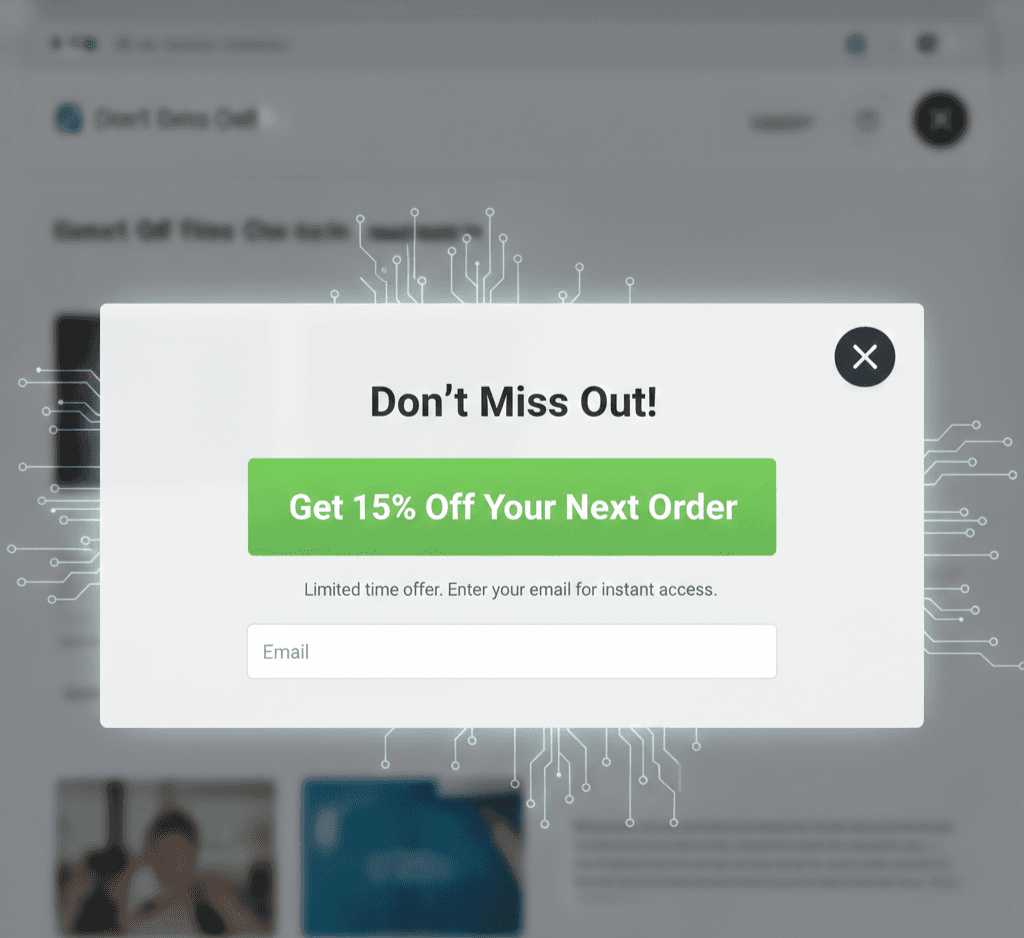
- Offer Undeniable Value: Do not use generic, low-value offers (“Subscribe to our newsletter”). Instead, offer a relevant, high-value incentive tailored to the page content (e.g., “Get 15% off your first order,” or “Download the full 2024 Market Trends Report for free”).
- Ensure Clear and Easy Dismissal: The popup must have an extremely visible and functional closing mechanism (a large “X” or a clear link that says “No, thanks, I don’t want the discount”). Making it hard to close is unethical and drives user resentment.
- Implement Smart Timing and Segmentation:
- Timing: Do not trigger the popup if the user has been on the page for less than 30 seconds. This is often seen as too aggressive.
- Segmentation: Use page-specific popups. A visitor on a pricing page should see a discount offer, while a visitor on a blog post should see an exclusive content download.
- Avoid Repeat Showing: Once a visitor has dismissed the popup, do not show it again for at least 7-14 days (controlled via cookies). Constant repetition is frustrating and leads to a negative brand perception.
“An ethical exit-intent popup is a helpful invitation, not a hostage negotiation. The value of the offer must always exceed the irritation of the interruption.”
Optimizing the Form within the Popup
Since the goal is often high-volume subscription capture, the form within the popup must adhere to extreme minimalism:
- Minimal Fields:Email address only. If necessary, add first name, but no more. Every additional field reduces subscription rates.
- Value-Driven CTA: The button text must clearly relate to the offer (e.g., “Unlock My 15% Discount,” or “Email Me the Report”).
Conclusion: The Responsible Last Chance
Exit-intent popups, when thoughtfully designed, are an essential component of a high-converting website. By prioritizing the user experience, focusing on genuine value exchange, and ensuring ethical dismissal practices, organizations can leverage this powerful technology to transform potential abandoners into qualified leads, drastically improving subscription rates and reinforcing long-term relationships through effective lead capture.





waikiki
December 27, 2025