

Introduction: Feedback as the Fuel for Growth
Client feedback is not just a measure of satisfaction; it is the most valuable, real-world data source for product development and continuous improvement. Successful client management means creating systematic channels for gathering this intelligence and, critically, translating it into actionable product improvements. This process requires robust systems for tracking client interactions, improving communication between departments, and ultimately fostering long-term relationships by making customers feel heard.
Challenge: Centralizing Dispersed Feedback
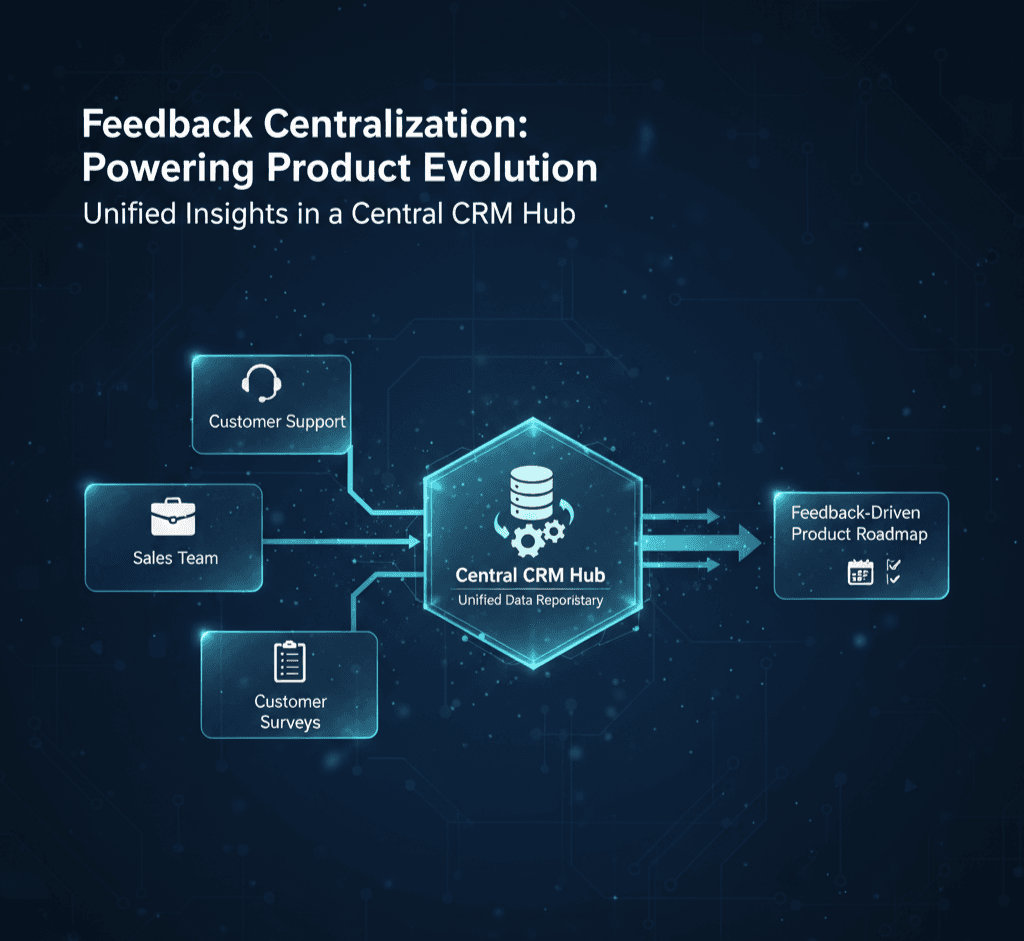
Feedback often gets siloed: feature requests are logged in a support desk, bug reports are emailed directly to a developer, and qualitative sentiment is captured only in a sales call summary. This fragmentation prevents product managers from seeing the true scope of client need.
The solution is a centralized Feedback Hub, typically managed within your CRM system or a dedicated product management tool integrated with the CRM.
- Support Tickets: Tag and categorize all feature requests and pain points with a consistent label (e.g.,
#FeatureRequest_API,#Bug_iOSApp). - Sales Notes: Ensure sales notes are synthesized to capture strategic client needs and budget/priority concerns.
- Surveys: Use NPS and CSAT surveys not just for scores, but to gather qualitative comments, which are then logged in the Hub.
Phase 1: Prioritization and Qualification
Not all feedback is equally valuable. Effective prioritization is key to ensuring that product development efforts drive maximum return.
- Impact vs. Effort: Use a simple matrix to rank feedback. Prioritize requests that offer high impact (solves a major problem for many users) with low development effort.
- Quantify the Demand: Track the volume of requests. If 50 clients ask for Feature X, it is prioritized above a request from a single client, regardless of that client’s size.
- Strategic Alignment: Filter requests based on their alignment with the company’s long-term product roadmap. Avoid building features that lead the product off-strategy.
Quote: “The best product roadmap isn’t created in a boardroom; it’s co-created with the clients who use the product every day.”
Phase 2: Closing the Feedback Loop
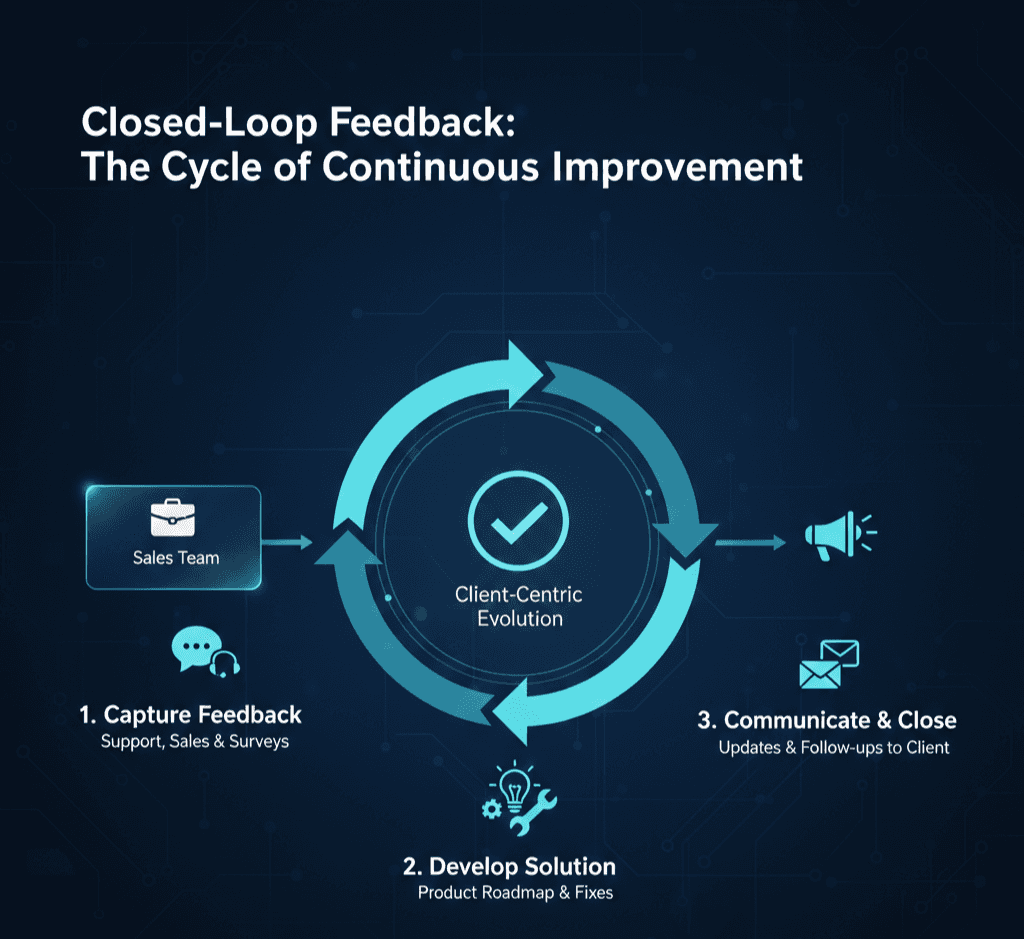
The most critical step in fostering long-term relationships is communicating what you did with the feedback. This is the Closed Feedback Loop.
- Internal Communication: When a feature derived from client feedback is launched, the product team must notify the Account Managers or Sales Reps who originally logged the request.
- External Communication: The AM/Rep then proactively contacts the original client to show them the new feature. (e.g., “Just wanted to let you know, that reporting fix you requested last month is live now. It was a great suggestion!”)
- Public Recognition: Announce updates in release notes by acknowledging the user base (e.g., “Based on your feedback, we’ve improved the dashboard speed…”).
Conclusion: The Foundation of Client Loyalty
By establishing a structured, systematic process for gathering, prioritizing, and acting on client feedback, organizations do more than just improve their product—they dramatically improve the customer experience. This commitment to continuous improvement, transparent tracking of client interactions, and diligent communication ensures clients feel valued, transforming feedback into the most powerful engine for long-term loyalty and sustainable growth.




Leave a comment