

Introduction: Why Subscriptions Dominate the SaaS Landscape
The software industry has fundamentally shifted from one-time license purchases to continuous access models. For Software as a Service (SaaS) companies, the subscription model is not merely a payment option—it is the foundational strategic driver of valuation, growth predictability, and customer relationship depth. This shift focuses businesses on long-term value creation rather than short-term transaction volume. Understanding and maximizing the subscription model is the key to unparalleled success in modern tech business.
The Power of Recurring Revenue (MRR/ARR)
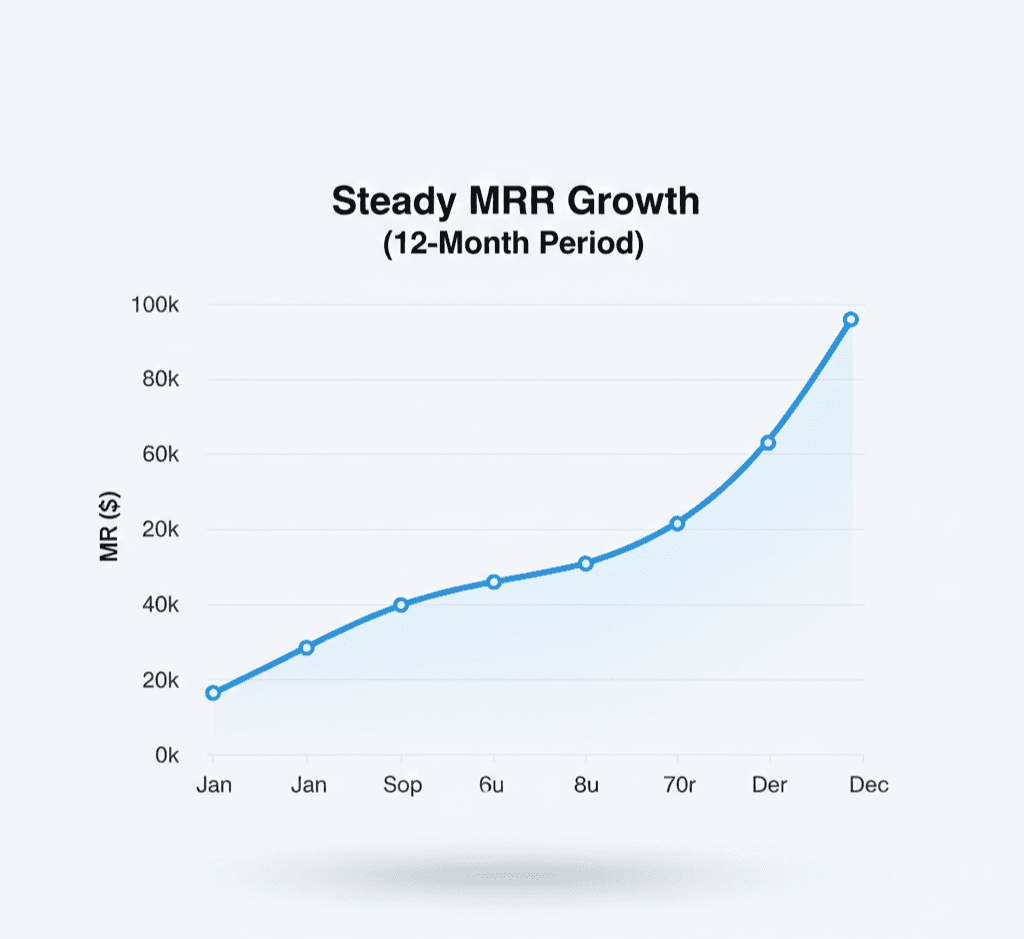
The core advantage of subscriptions lies in predictable cash flow. Monthly Recurring Revenue (MRR) and Annual Recurring Revenue (ARR) provide clear, forecastable metrics that investors and management teams can use to plan expenditures and growth initiatives with confidence.
- Valuation Driver: Unlike transactional businesses, SaaS companies are valued primarily on their ARR and the rate of growth (Net Revenue Retention). This stability attracts higher investment multiples.
- Budgeting Stability: Consistent revenue streams reduce the financial volatility associated with dependence on large, one-off sales.
Designing Effective Pricing Tiers
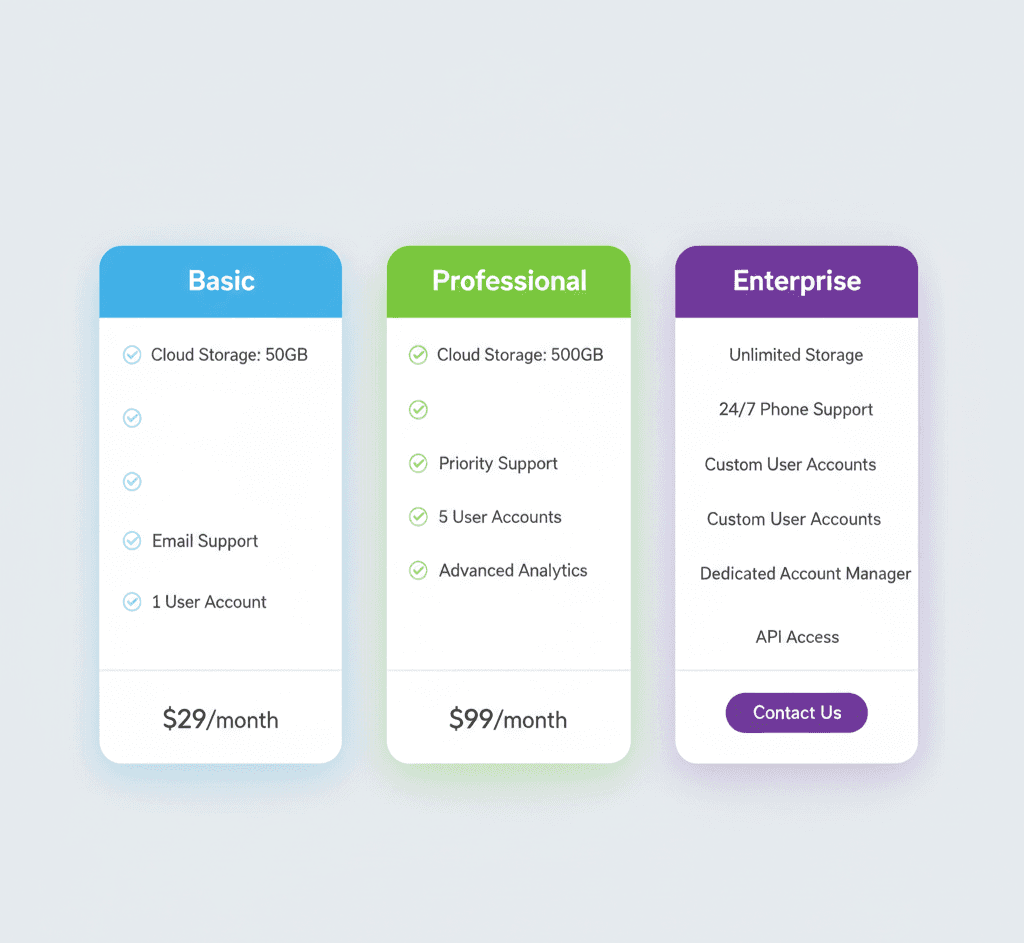
Successful subscription models rarely offer just one price point. Strategic tiering encourages upgrades and maximizes revenue capture across different customer segments, from startups to enterprises.
- Free/Freemium: Attracts a large user base to experience the product, serving as a powerful lead generation tool.
- Basic/Standard: Targets small businesses and essential users, offering core features at an accessible price. This is often the largest segment.
- Pro/Premium: Designed for serious users and growing teams, providing advanced features, higher usage limits, and enhanced support.
- Enterprise/Custom: Tailored for large corporations with specialized needs, often involving custom integrations, dedicated support, and strict Service Level Agreements (SLAs).
Quote: “Your pricing structure is the ultimate reflection of your product’s perceived value. If it’s too simple, you’re leaving money on the table; if it’s too complex, you’re confusing your customers.”
The Lifetime Value Imperative (CLV)
In a subscription model, the initial cost of acquiring a customer (Customer Acquisition Cost or CAC) is not recouped instantly. Success depends on the Customer Lifetime Value (CLV)—the total revenue a business expects to earn from a single customer over the duration of their relationship.
- Focus on Retention: Since retaining an existing customer is significantly cheaper than acquiring a new one, subscription models prioritize customer success, onboarding, and continuous feature improvement to reduce churn.
- Expansion Revenue: Successful SaaS strategy involves maximizing CLV through expansion revenue—getting customers to upgrade tiers or purchase add-ons over time. This metric (Net Revenue Retention) is critical for demonstrating product stickiness.
Conclusion: Building a Sustainable Growth Engine
The shift to subscription models empowers SaaS companies to build a truly sustainable growth engine. It aligns the business’s success directly with the customer’s ongoing satisfaction. By focusing on predictable revenue streams, strategic pricing, and aggressive customer retention efforts, companies can secure the investment and stability needed to achieve unparalleled success in the corporate world.






Leave a comment