
Introduction: The Evolution of Search Intent
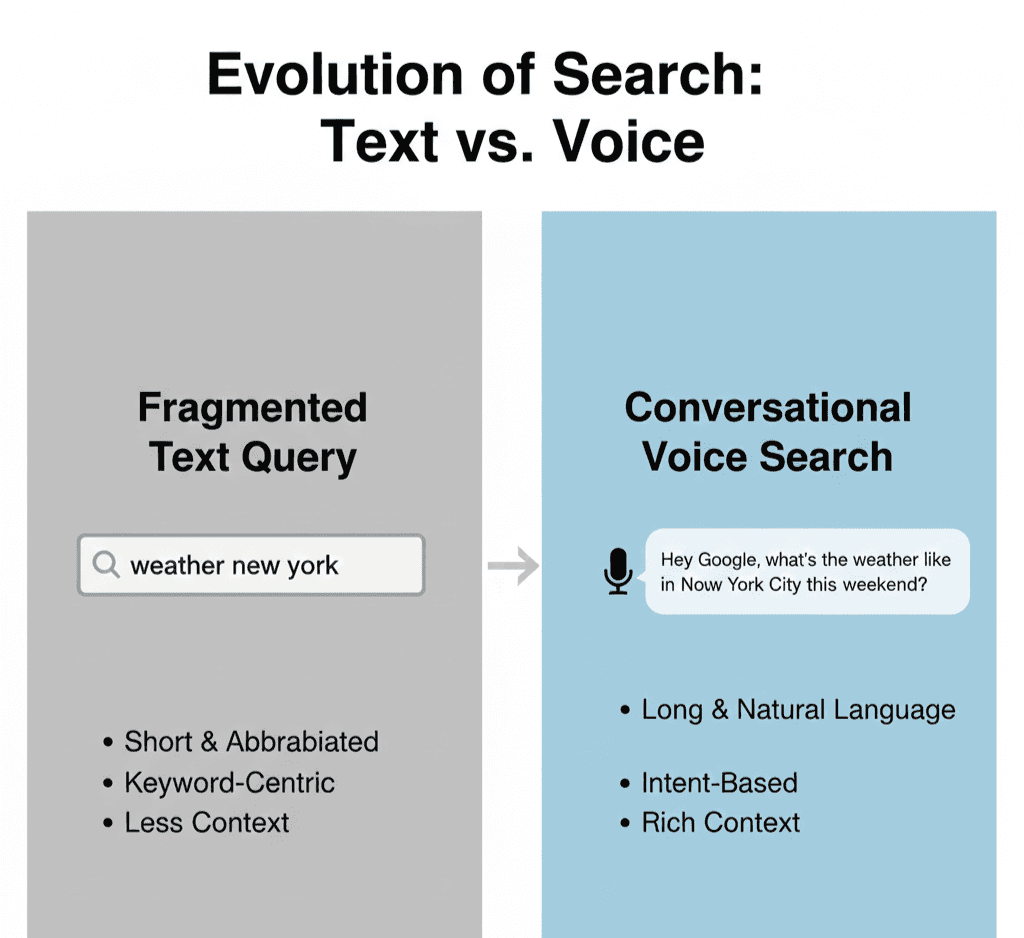
The days of users typing short, keyword-stuffed phrases are fading. Today’s users, especially those using voice assistants (like Alexa, Siri, and Google Assistant), rely on conversational language and full questions. This shift requires marketers to move beyond simple keyword matching and embrace Semantic Search—the search engine’s ability to understand the meaning and intent behind a query, not just the words themselves. Mastering this advanced technique is vital for campaign planning and achieving business objectives.
The Shift to Conversational Search
Voice search queries are typically longer (often 5-7 words), structured as natural language questions (Who, What, When, Where, How), and highly localized (e.g., “Where is the nearest coffee shop open now?”).
Optimizing for voice search fundamentally means optimizing for the Featured Snippet (Position Zero), as voice assistants often read the first search result aloud.
- Focus on Questions: Structure your content using H2 and H3 headings as direct questions your audience is asking. Answer them immediately and concisely in the following paragraph.
- Local SEO is Critical: Ensure your Google My Business profile is meticulous, as many voice queries are location-based.
Leveraging Semantic SEO and Entities
Semantic SEO involves teaching search engines the relationships between concepts, or entities. Search engines strive to understand the entire context of a topic, not just the keywords used.
- Topical Authority: Instead of creating one post per keyword, create comprehensive clusters of related content (pillar pages and supporting sub-pages) that fully cover a single, broad topic. This establishes you as an authority.
- Use Synonyms and Related Concepts: Naturally incorporate related terms and concepts (semantic entities) into your content. If you write about “Marketing Strategy,” also include terms like “campaign planning,” “market analysis,” and “business objectives.”
Quote: “The future of SEO isn’t about keywords; it’s about entities, intent, and relationships. Be the source, not just another reference.”
Structured Data: Speaking the Engine’s Language
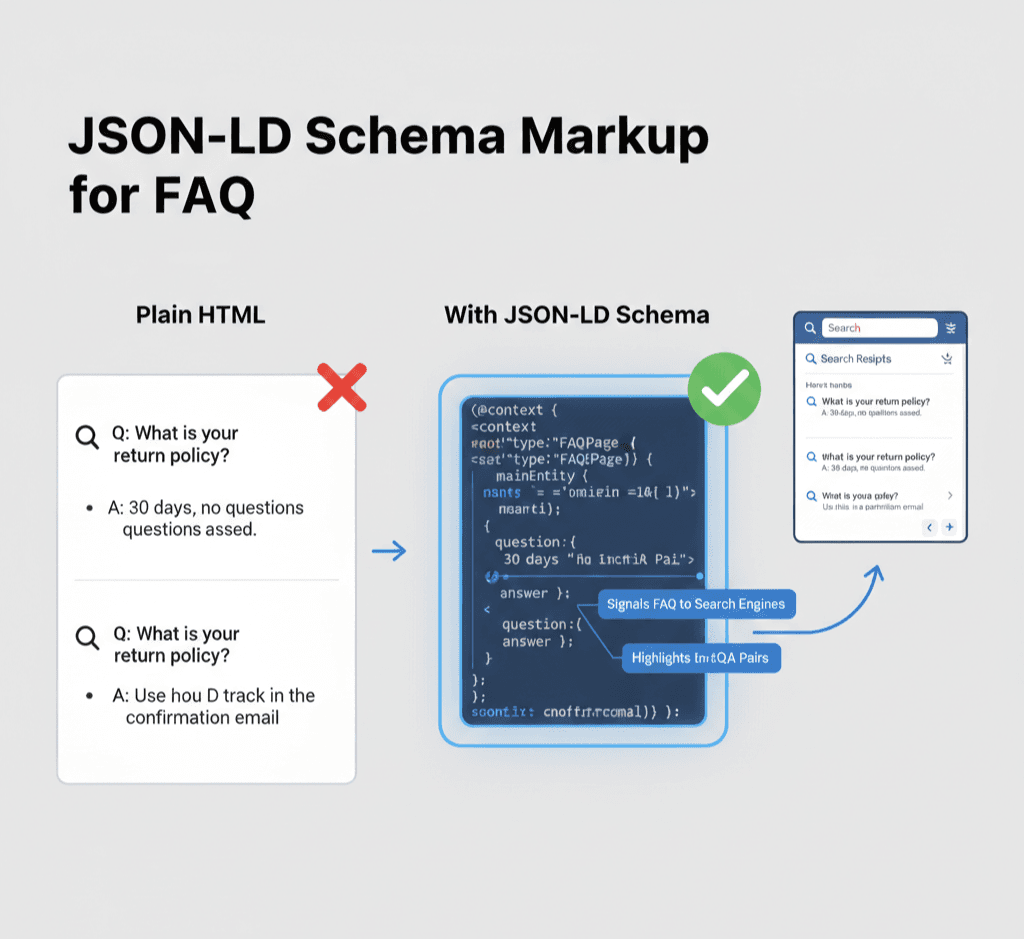
Structured Data (Schema Markup) is the most powerful tool for semantic optimization. It provides search engines with explicit cues about the content on your page, making it easier for them to determine if you are the best result for a voice query.
- Schema Types: Prioritize markups like
HowTo,FAQPage,LocalBusiness, andReviewschema. These directly qualify your content for rich results and featured snippets, which drive voice answers. - JSON-LD Format: Implement your schema using the JSON-LD format in the header of your pages for clean integration and easy updating.
Conclusion: Future-Proofing Your Marketing
Voice search and semantic queries are rapidly becoming dominant forces in how consumers find information. Organizations that prioritize content optimized for natural language questions, structured data implementation, and the establishment of true topical authority will secure the highest positions in both traditional and voice search results, ensuring their marketing strategy remains effective and objectives are met.






Leave a comment