

Introduction: The Shift to Algorithmic Assistance
The modern call center is rapidly evolving from a human-only operation to a synergistic blend of human expertise and artificial intelligence. Central to this transformation are AI chatbots, which are moving beyond simple FAQs to handle complex, transactional, and high-volume tier-one support. By intercepting common queries and providing instant resolutions, these bots are fundamentally reshaping the role of the traditional first-line support agent. This shift is not about replacement, but about elevation and optimization.
The Efficiency and Cost Revolution
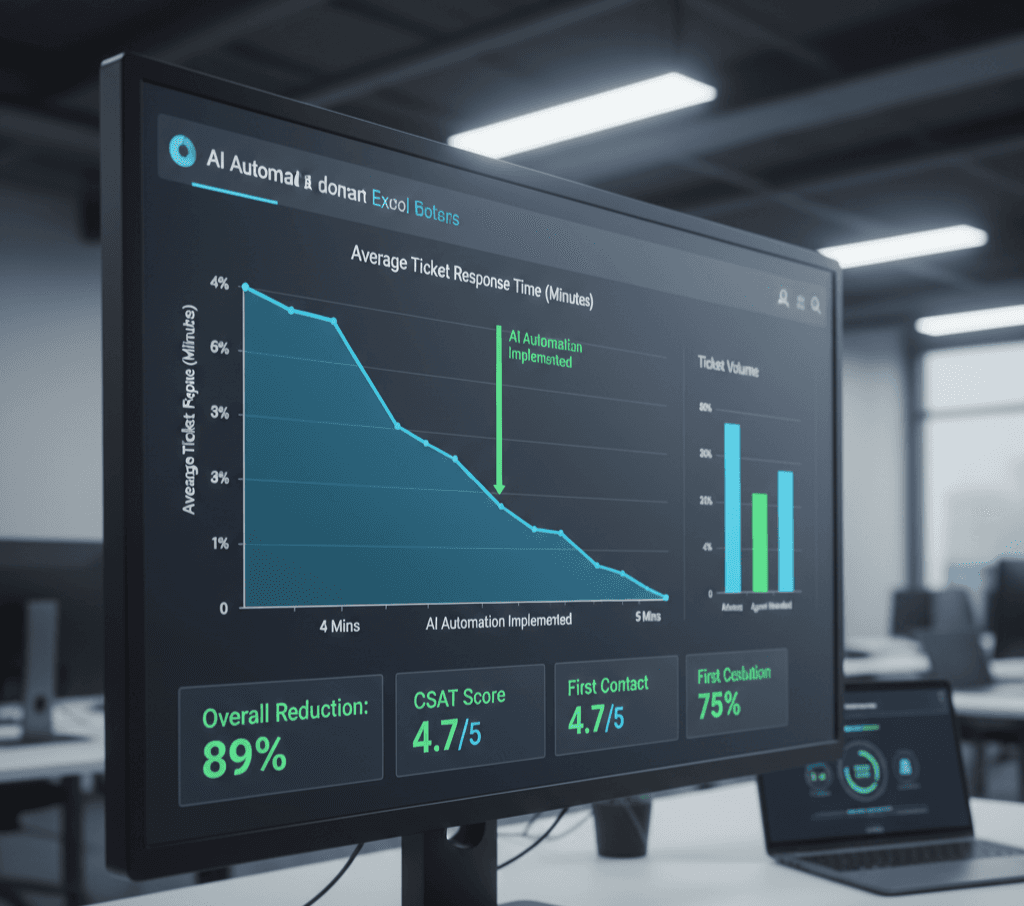
The most immediate and tangible benefit of implementing AI chatbots is the dramatic improvement in operational efficiency and cost savings. AI can handle thousands of concurrent queries 24/7 without fatigue.
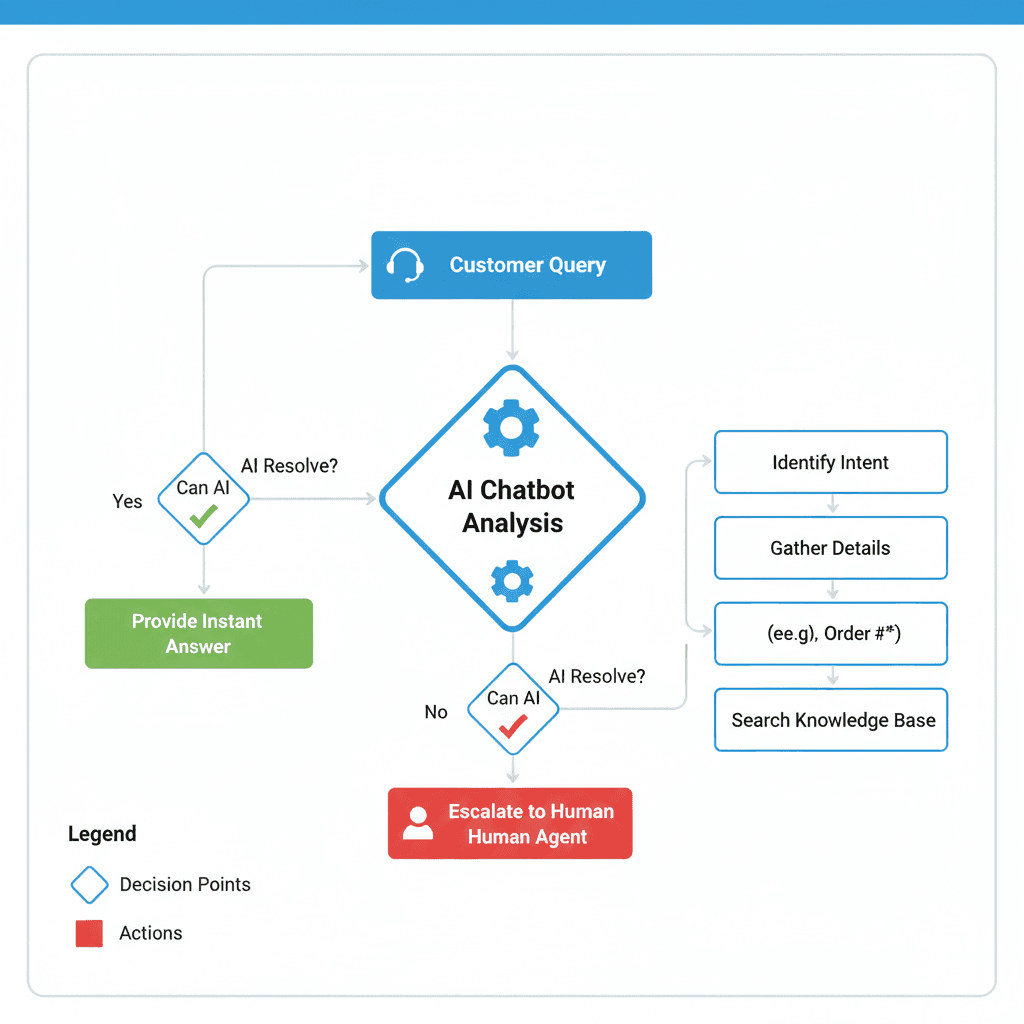
- Instant Resolution: Chatbots deliver answers instantly, eliminating hold times and significantly reducing the Average Handle Time (AHT) for simple tasks like tracking orders, checking account balances, or resetting passwords.
- Scalability: Peak call volumes, which historically required expensive staffing increases, are easily absorbed by AI systems.
- Cost Reduction: By deflecting 30-50% of routine inquiries, organizations can strategically reduce staffing needs or, more commonly, reallocate existing staff to specialized roles.
Elevating the Human Agent Role
Contrary to fears of automation, AI chatbots empower human agents. When the routine queries are handled by bots, human agents are freed up to focus on interactions that genuinely require empathy, problem-solving, and a human touch.
- Complex Problem Solving: Agents transition from “answer machines” to specialized consultants, focusing on complex escalations, emotional customer disputes, and customized solutions.
- Skill Development: Call centers can invest in advanced training for their human teams—in areas like conflict resolution and sales—turning the support center into a valuable revenue driver.
- Better Data Context: When a bot hands off a conversation to a human, it provides a comprehensive transcript and resolution attempt summary, ensuring the human agent is immediately equipped with full context, reducing customer frustration.
Quote: “The most successful call centers of the future will not be defined by how many calls they take, but by how few calls they have to take—and how valuable those remaining conversations are.”
Key Implementation Strategies for Success
Integrating chatbots requires more than just installing software; it demands a strategic approach to data and workflow:
- Define the Scope: Clearly identify the top 10-20 most common and repetitive tier-one issues the chatbot will handle.
- Train with High-Quality Data: The chatbot’s effectiveness relies entirely on the quality and breadth of the knowledge base it is trained on. Ensure FAQs are comprehensive and up-to-date.
- Seamless Hand-Off: Design a clear and smooth escalation path to a human agent, providing customers with an instant option to switch channels if their needs become too complex for the AI.
Conclusion: A Future of Smarter Interactions
AI chatbots are not a temporary trend; they are a fundamental component of the optimized, multi-channel call center strategy. By automating the mundane and elevating the critical, they ensure better customer experiences, lower operational costs, and a more engaged, higher-skilled workforce. The future of first-line support is intelligent, instant, and seamlessly integrated.







Leave a comment